Surfaces Preparation
Subfloor Repair & Replacement
Expert installation and craftsmanship, serving the GTA & Ottawa.
 Surfaces Preparation
Surfaces Preparation
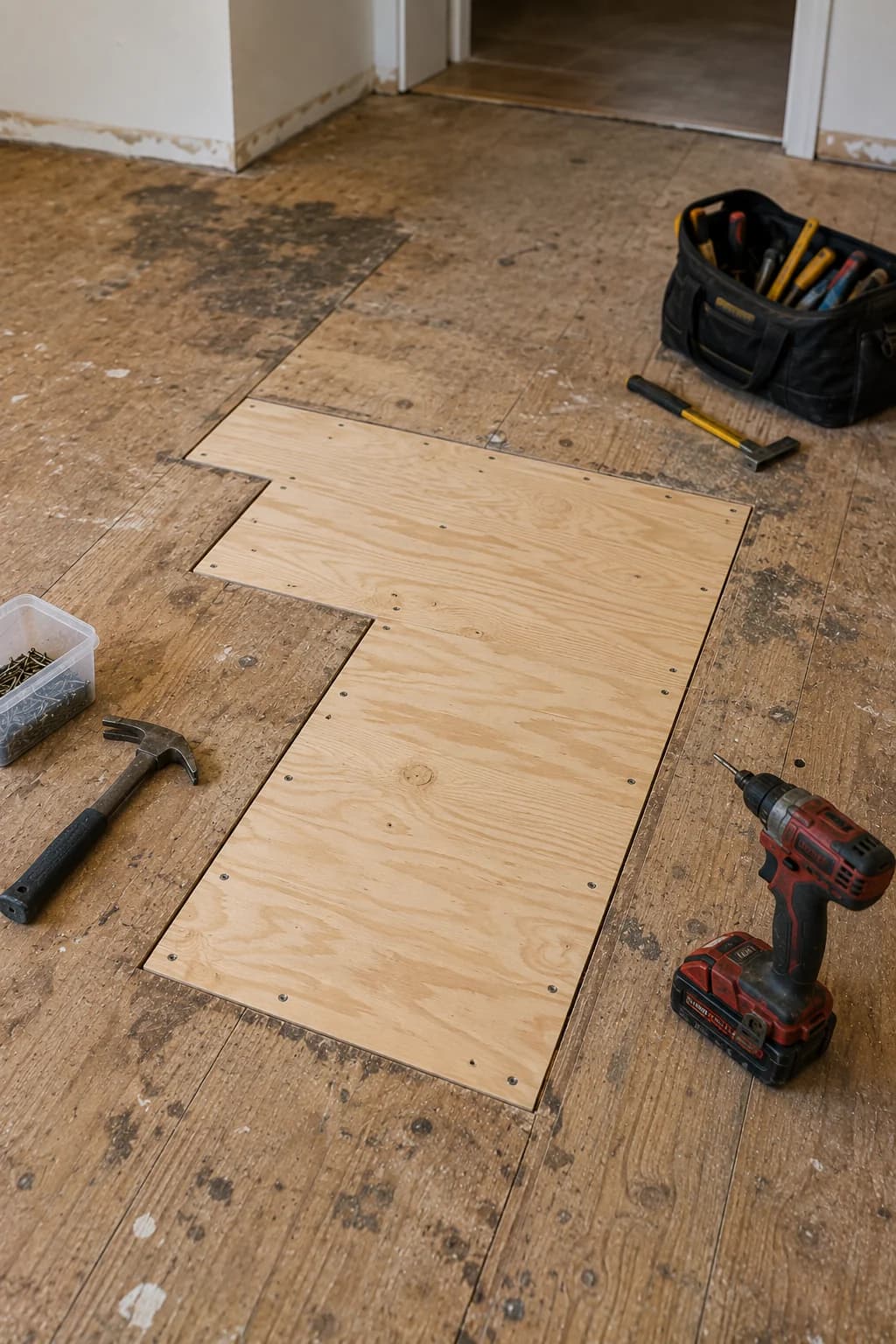
A compromised subfloor causes flooring failures, squeaks, and bounce. We assess the condition of existing OSB or plywood subfloors, replace damaged sections, fasten down loose areas, and ensure the substrate is solid before any flooring installation begins.
We probe and inspect the entire subfloor surface. Damaged, soft, or delaminated panels are cut out and replaced with matching material, fastened with the correct nails or screws. High spots are planed, low spots are filled.
Where it works & how it’s applied.
Where to Use
- 01Any room with existing subfloor damage
- 02Older homes with original subfloor
- 03Water-damaged areas
- 04Basement subfloor prep
Common Use Cases
- 01Pre-hardwood subfloor assessment
- 02Squeaky floor correction
- 03Post water-damage restoration
- 04Full subfloor replacement before renovation
Frequently Asked Questions
How do I know if my subfloor needs repair before new flooring?
Signs of subfloor issues include soft or spongy spots underfoot, visible deflection when you walk, squeaking that worsens over time, or visible water damage and mold. We assess the subfloor condition as part of every flooring quote. Many issues are found during demo that weren't visible from the surface.
What causes subfloor damage?
The most common causes are water damage from plumbing leaks, condensation, or flooding; pest damage from termites or rodents; rot from long-term moisture exposure; and structural movement that loosens fasteners over time. Identifying and fixing the root cause before patching is critical.
Can you repair just part of the subfloor or does the whole thing need replacing?
In most cases, only the damaged sections need replacement. We remove the flooring in the affected area, cut out the damaged subfloor panels, and install new material, then re-install or continue with the new flooring on top. Partial repairs are the standard approach.
How flat does my subfloor need to be for new flooring?
Most flooring manufacturers require the subfloor to be flat within 3/16" over a 10-foot span (or 1/8" per 6 feet for LVP). We use self-leveling compound, grinding, or shims to bring the subfloor within spec before installation.

Related Articles
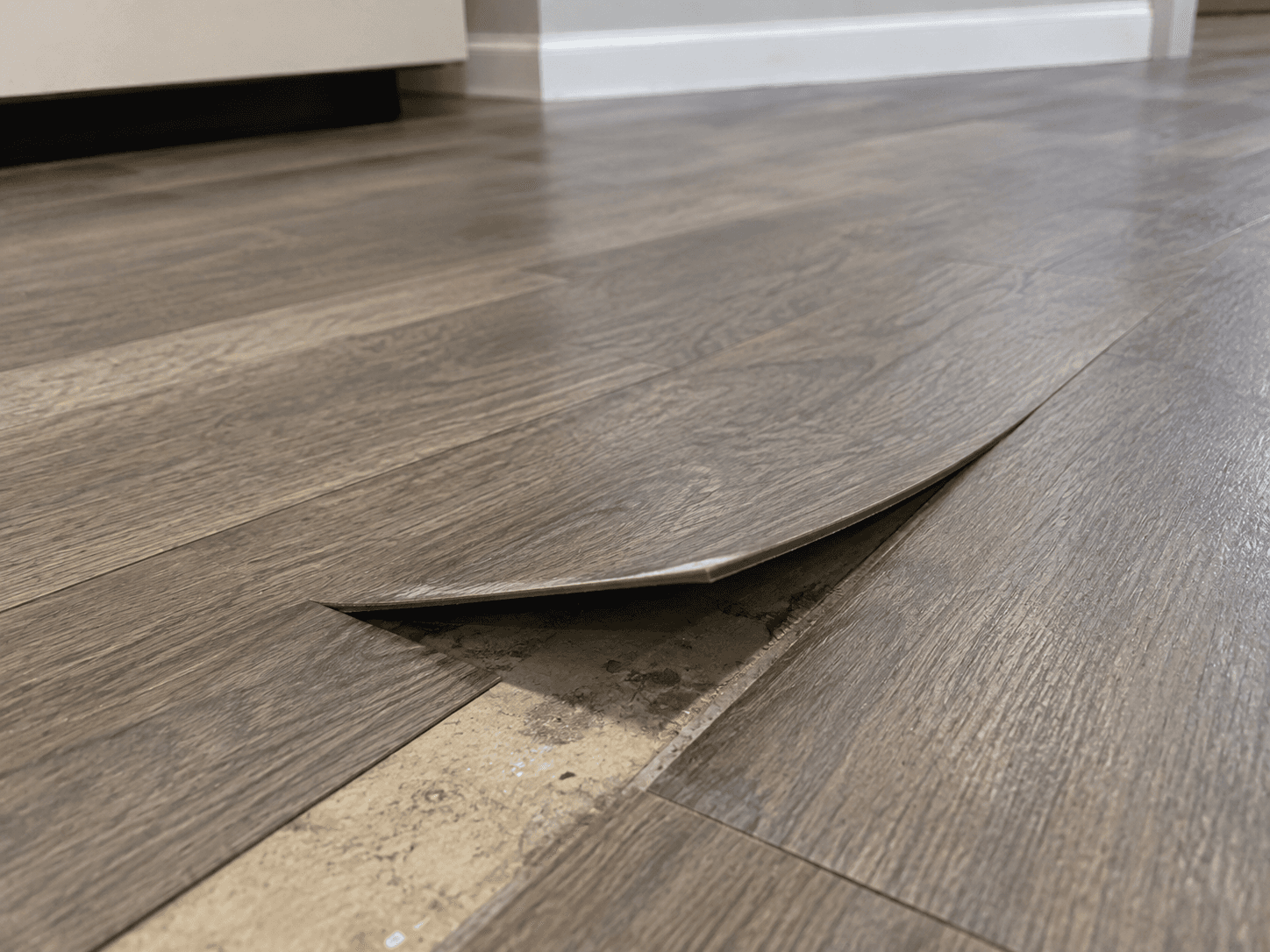
Why Is My Vinyl Flooring Lifting? Common Causes and Fixes
Learn why vinyl flooring lifts and how to fix it. Common causes include moisture, poor adhesive, and temperature changes. Professional solutions inside.
Read more →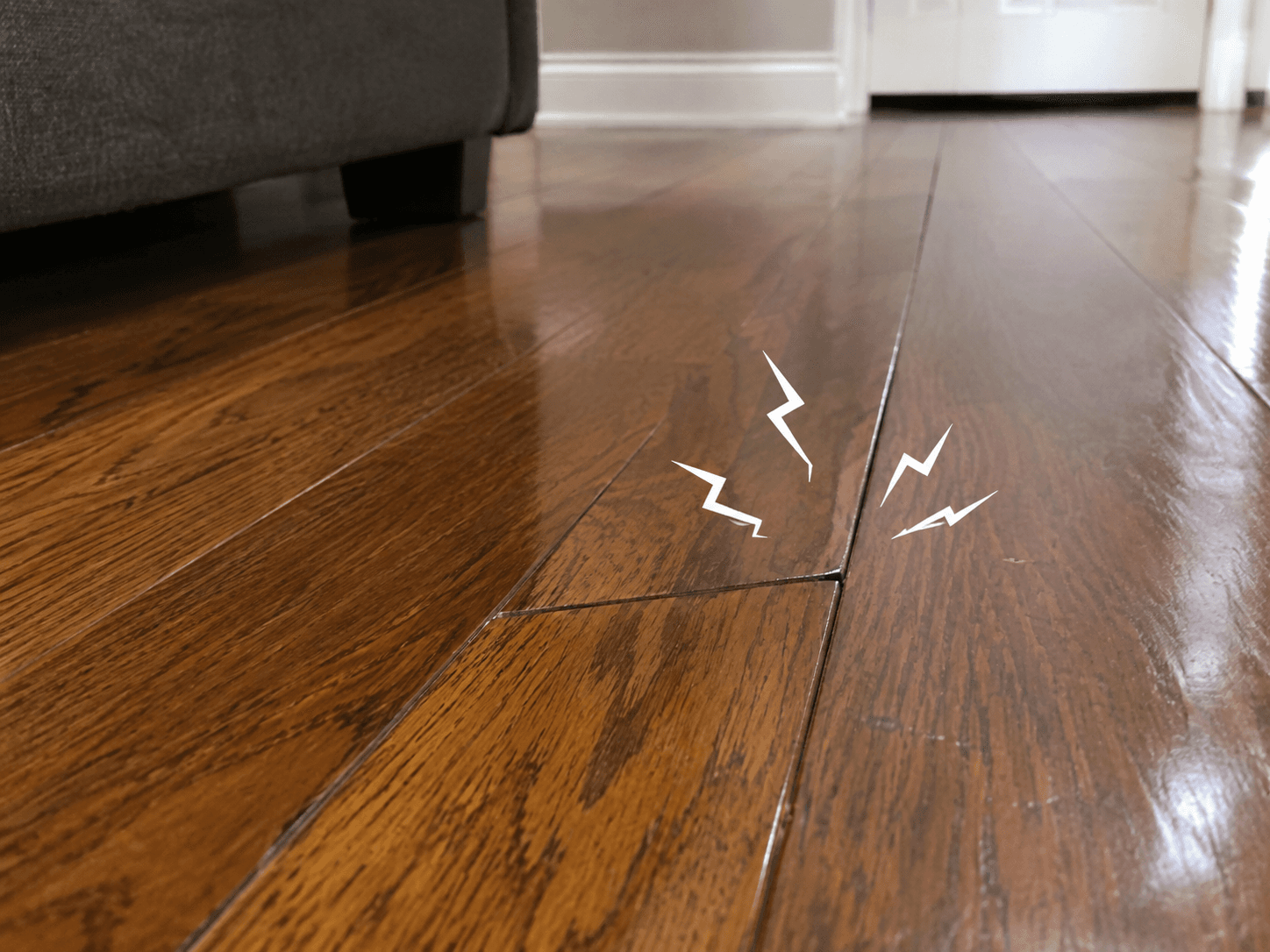
Why Is My Hardwood Floor Squeaking? Causes and Solutions
Learn why hardwood floors squeak and discover practical solutions to fix the problem in your Toronto or Ottawa home.
Read more →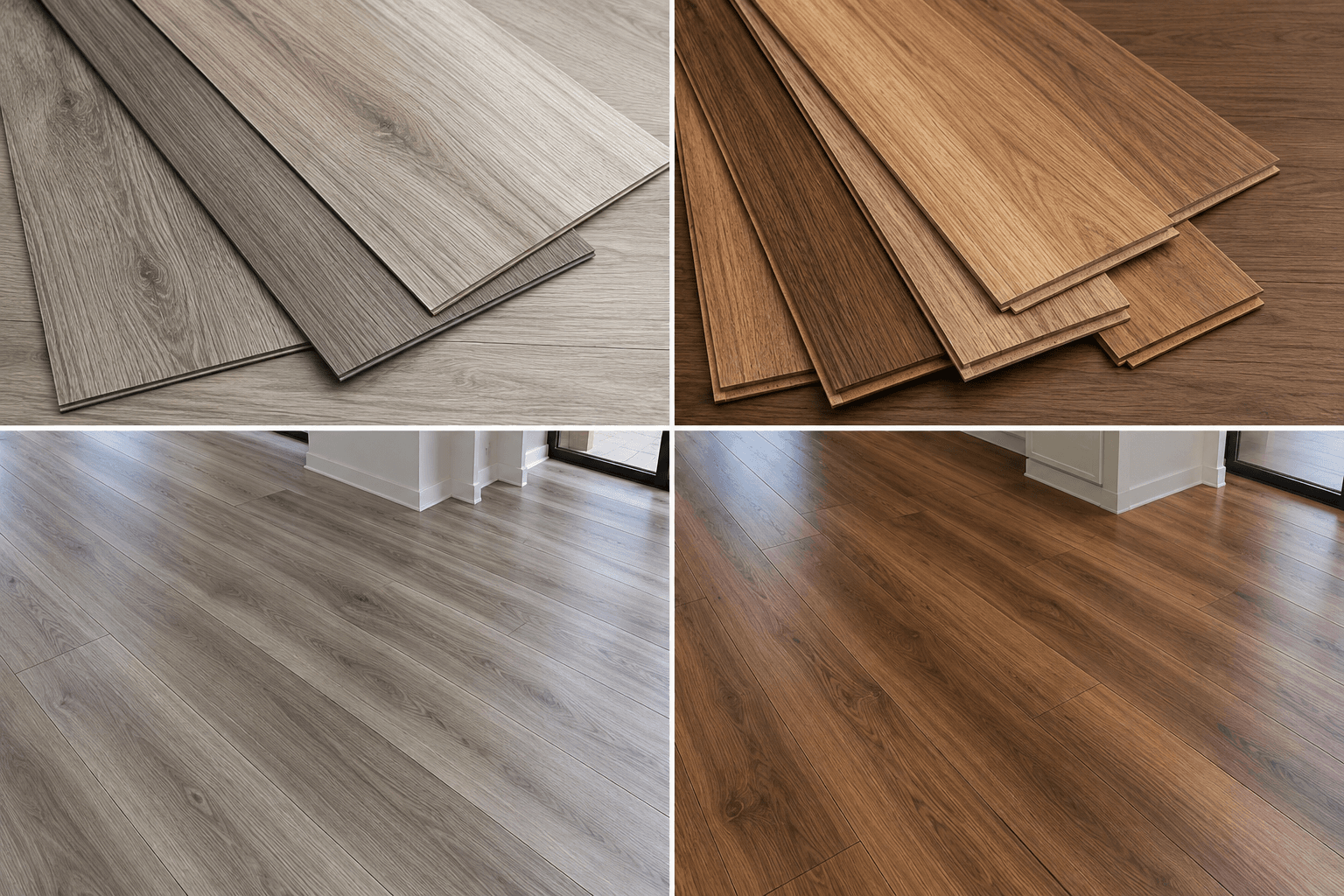
Vinyl vs Laminate: Complete Cost Guide and Use Cases for GTA Homeowners
Compare vinyl and laminate flooring costs, durability, and best uses for GTA and Ottawa homes.
Read more →