Carpet
Stair Runners
Expert installation and craftsmanship, serving the GTA & Ottawa.
 Carpet
Carpet
A well-installed stair runner adds warmth, safety, and design character to any staircase. We measure precisely, cut seam-free runners, and install with proper padding and fastening systems, straight runs, L-shapes, and curved staircases.
Each tread and riser is measured. Padding is cut and fastened per tread. The runner is stretched and stapled at each tread-riser junction using a knee kicker, ensuring a tight, safe result without bunching.
Where it works & how it’s applied.
Where to Use
- 01Main staircases
- 02Basement stairs
- 03Second-floor landings
- 04L-shaped stair runs
Common Use Cases
- 01Hardwood stair protection
- 02Noise reduction on stairs
- 03Design feature staircases
- 04Child and pet safety improvements
Frequently Asked Questions
What carpet pile type works best on stairs?
Low-pile and loop-pile carpets hold up best on stairs because they resist matting and crushing from concentrated foot traffic on the tread edge. Cut-pile carpets are comfortable but show wear faster on stairs. Textured or berber styles are popular choices. Very high-pile or shag carpet is not recommended for stairs as it can be a safety hazard and wears out quickly at the nosing.
How long does a stair runner last?
A quality stair runner with good underpad typically lasts 8-15 years depending on traffic, pile type, and fibre. Wool and nylon runners are the most durable. The nosing edge of each tread is where wear shows first - if you see significant flattening there, it's time to start thinking about replacement.
How long does stair runner installation take?
A standard straight staircase of 12-16 steps can be installed in half a day to a full day. L-shaped or curved staircases take longer due to more complex cutting and fitting at the landing. We measure and order the runner in advance, so installation day is typically quick.
Does padding go under stair runners?
Yes - padding under a stair runner is important for both comfort underfoot and longevity of the carpet. Thinner padding (3/8" or less) is used on stairs compared to flat floor installations to keep the runner tight against the tread and riser without any rocking or shifting. We cut and staple the pad per tread as part of the installation process.

Related Articles
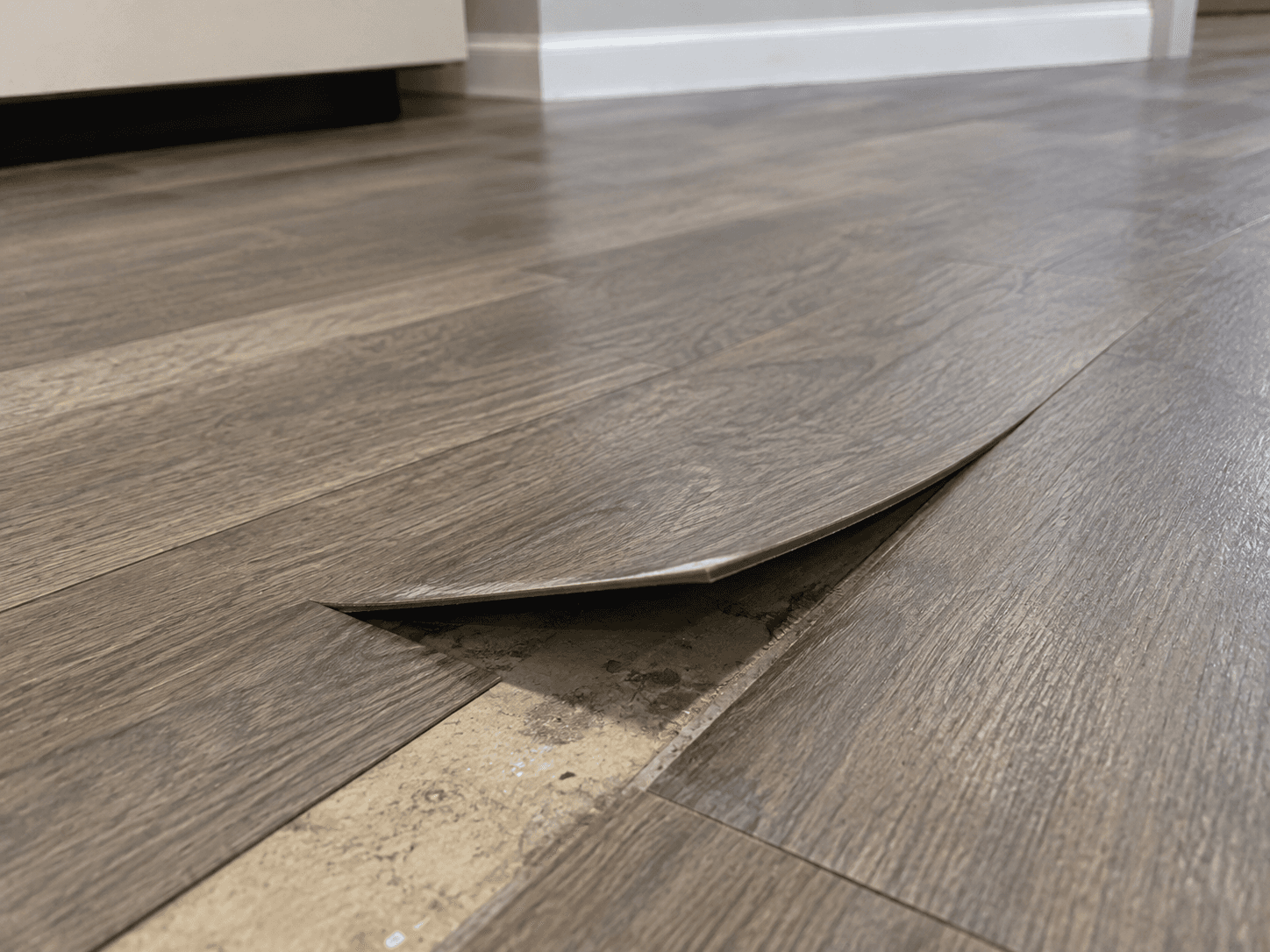
Why Is My Vinyl Flooring Lifting? Common Causes and Fixes
Learn why vinyl flooring lifts and how to fix it. Common causes include moisture, poor adhesive, and temperature changes. Professional solutions inside.
Read more →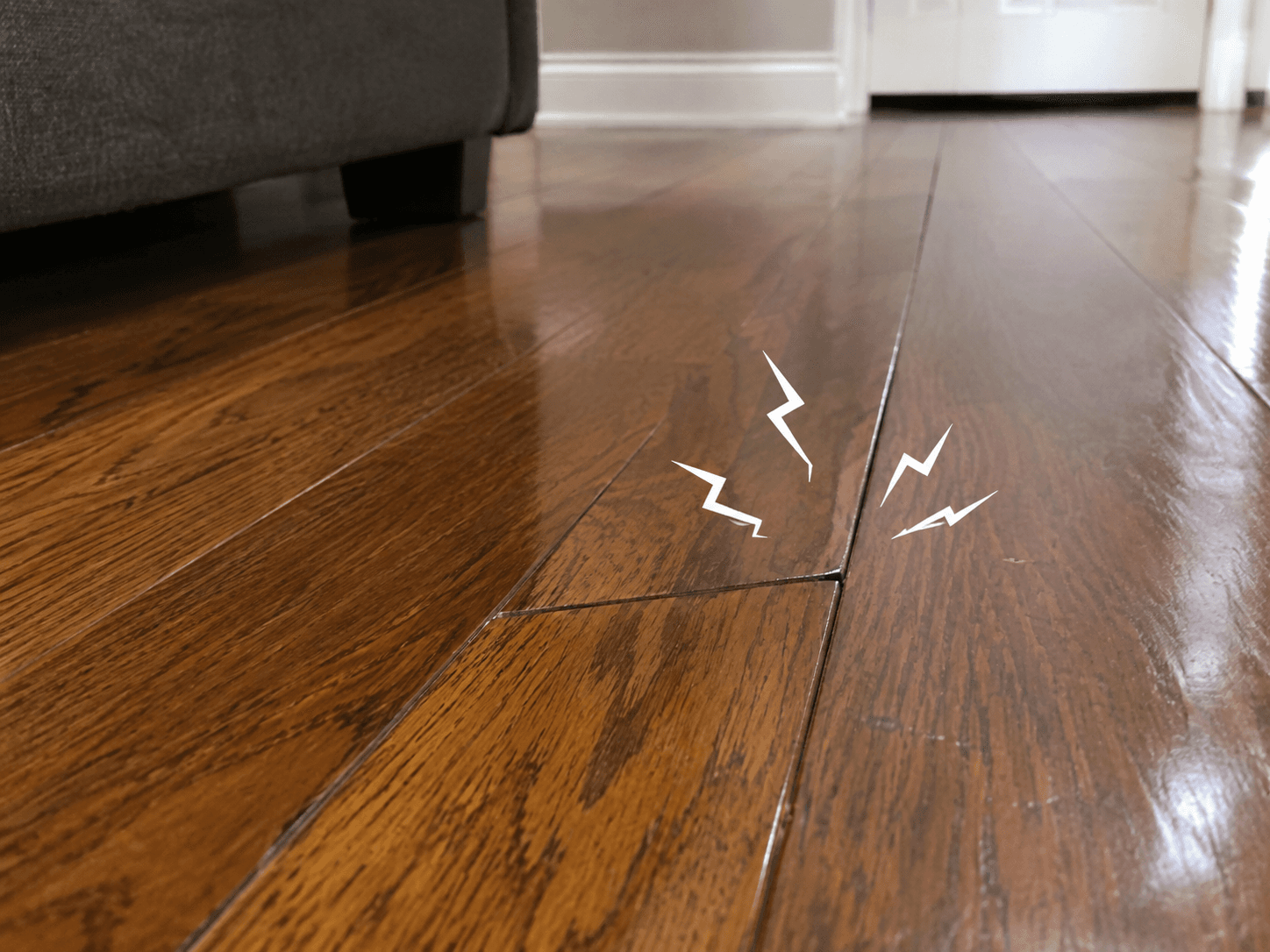
Why Is My Hardwood Floor Squeaking? Causes and Solutions
Learn why hardwood floors squeak and discover practical solutions to fix the problem in your Toronto or Ottawa home.
Read more →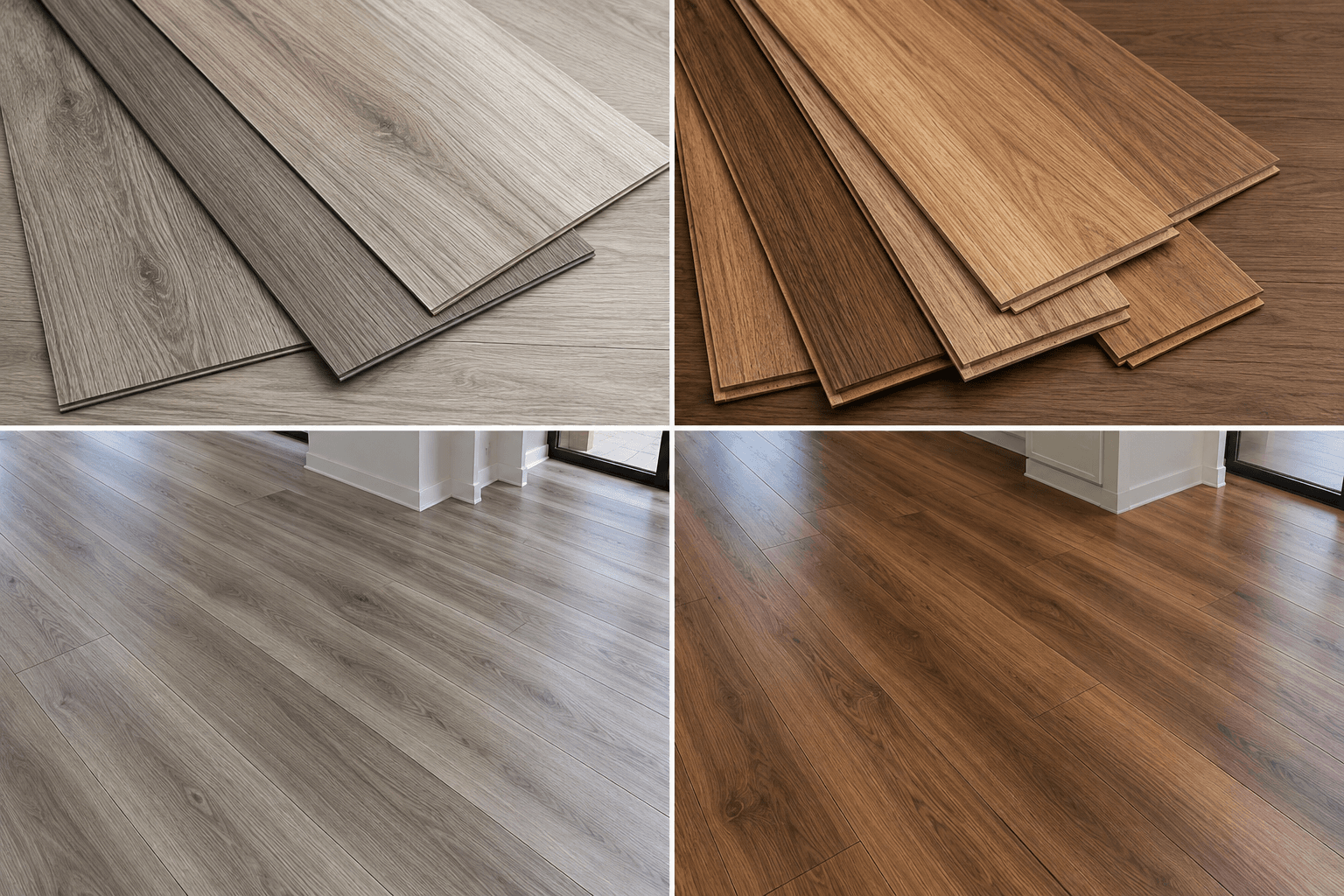
Vinyl vs Laminate: Complete Cost Guide and Use Cases for GTA Homeowners
Compare vinyl and laminate flooring costs, durability, and best uses for GTA and Ottawa homes.
Read more →