Surfaces Preparation
Moisture Mitigation Systems
Expert installation and craftsmanship, serving the GTA & Ottawa.
 Surfaces Preparation
Surfaces Preparation
Excess moisture in concrete slabs is the leading cause of flooring failure. We test, assess, and install appropriate moisture mitigation systems, epoxy moisture barriers, drainage membranes, and sheet vapor retarders, to bring slabs within acceptable range.
Moisture testing is performed (ASTM F2170 or F1869). Based on results, a moisture mitigation strategy is selected, from 2-part epoxy barriers for high readings to drainage mat systems. The surface is then prepared for flooring installation.
Where it works & how it’s applied.
Where to Use
- 01Basement floors
- 02Slab-on-grade construction
- 03Below-grade spaces
- 04Concrete subfloors in any climate
Common Use Cases
- 01Pre-hardwood moisture testing
- 02LVP over high-moisture slabs
- 03Warranty-compliant installations
- 04Basement waterproofing before flooring
Frequently Asked Questions
How is moisture tested in a concrete slab?
We use two standard methods: the calcium chloride test (ASTM F1869) which measures moisture emission rate in pounds per 1000 sq ft per 24 hours, and in-situ relative humidity probes (ASTM F2170) drilled into the slab. In-situ RH testing is more accurate for thick slabs. We test before any flooring installation and keep the results on file.
What moisture reading is too high for installing flooring?
Acceptable limits vary by product. Most hardwood flooring manufacturers require moisture emission below 3 lbs per 1000 sq ft/24 hours. For LVP and resilient, the limit is often higher but still has a ceiling. In-situ RH over 80% is generally considered high risk for most products. We read manufacturer specs for every product and don't proceed if the slab is out of range without mitigation.
How long does a moisture mitigation barrier last?
A properly applied 2-part epoxy moisture barrier is designed to last the lifetime of the flooring installation. It doesn't degrade under normal conditions. Drainage membrane systems also last for decades as long as they're not physically disturbed. The barrier is a permanent part of the installation, not something that needs to be renewed.
Does moisture mitigation add significant height to the floor?
Epoxy barriers add almost nothing - they're less than 1/16" thick. Drainage mat systems add roughly 3/8" to 5/8" depending on the product. This height gain is usually factored into door clearances and transition heights during planning. We calculate the final finished floor height as part of the scope review.

Related Articles
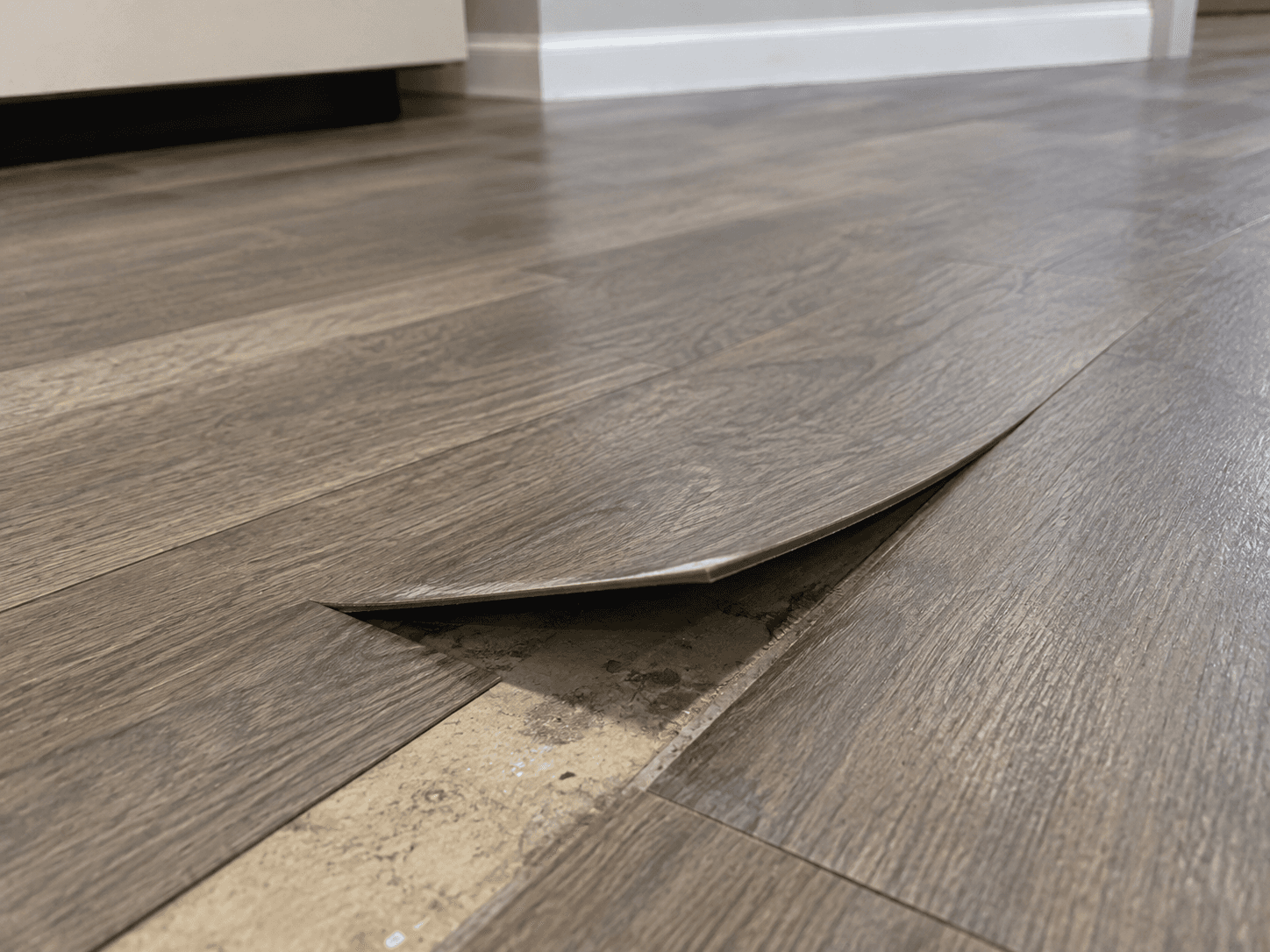
Why Is My Vinyl Flooring Lifting? Common Causes and Fixes
Learn why vinyl flooring lifts and how to fix it. Common causes include moisture, poor adhesive, and temperature changes. Professional solutions inside.
Read more →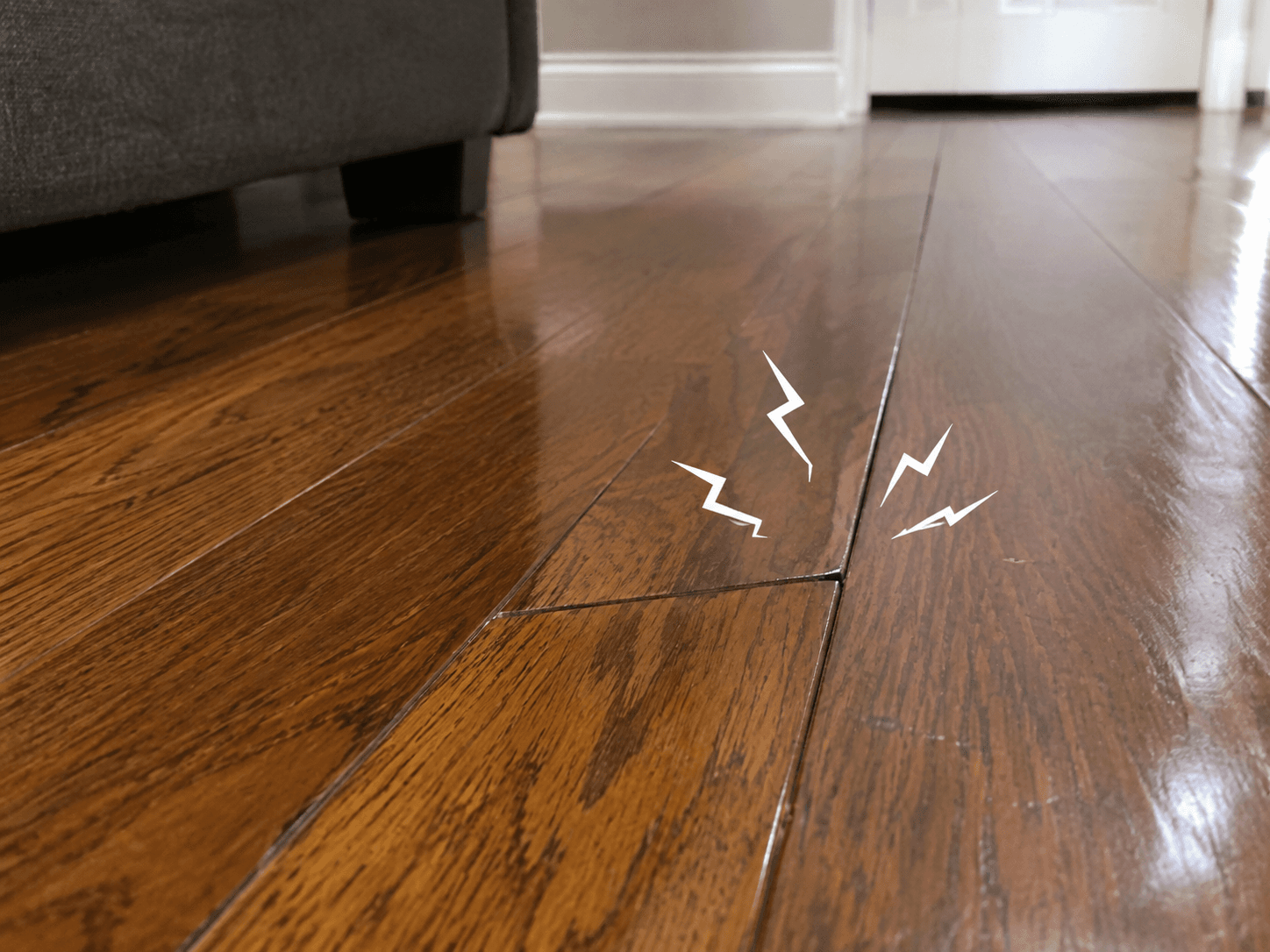
Why Is My Hardwood Floor Squeaking? Causes and Solutions
Learn why hardwood floors squeak and discover practical solutions to fix the problem in your Toronto or Ottawa home.
Read more →
Vinyl vs Laminate: Complete Cost Guide and Use Cases for GTA Homeowners
Compare vinyl and laminate flooring costs, durability, and best uses for GTA and Ottawa homes.
Read more →