Tile & Stone
Floor Tile Installation
Expert installation and craftsmanship, serving the GTA & Ottawa.
 Tile & Stone
Tile & Stone
Floor tile installation requires an absolutely flat, stable substrate and precise layout work. We install tile floors in all formats, from 4"×4" ceramic to 48"×48" porcelain slabs, in straight, offset, herringbone, and custom diagonal patterns.
Substrate flatness is verified and corrected. Layout is dry-planned from the center of the room or a feature wall. Tile is set in thin-set with the appropriate leveling system for large formats, then grouted with polymer-modified grout.
Where it works & how it’s applied.
Where to Use
- 01Kitchens
- 02Bathrooms
- 03Entryways
- 04Basement floors
- 05Commercial spaces
Common Use Cases
- 01Full kitchen floor renovations
- 02Bathroom floor installations
- 03Heated tile floor systems
- 04High-traffic commercial floors
Frequently Asked Questions
What tile sizes work best for floor installation?
Larger format tiles (24"×24" or bigger) create a more open, modern look with fewer grout lines, but require a very flat subfloor. Smaller tiles (12"×12" or mosaic) are more forgiving on uneven surfaces and offer more traction in wet areas. We help you choose the right size for your space and subfloor condition.
How long does tile floor installation take?
A typical bathroom floor (50–80 sq ft) takes 1–2 days. Larger areas like kitchens or open-plan spaces take 2–4 days. Factor in 24 hours for mortar to cure before grouting, and another 24 hours after grouting before use. We'll give you a project-specific timeline.
Can tile be installed over existing tile?
Yes, in some cases: if the existing tile is firmly bonded, flat, and the added height doesn't cause door or transition issues. We assess the existing surface and advise on whether overlay or full removal is the better choice for your project.
What's the difference between porcelain and ceramic tile for floors?
Porcelain is denser, harder, and more water-resistant than ceramic, making it better for high-moisture areas and outdoor use. Ceramic is softer and easier to cut, which can lower installation cost. Both are durable for interior floor use. We'll recommend the right type based on your application and budget.

Related Articles
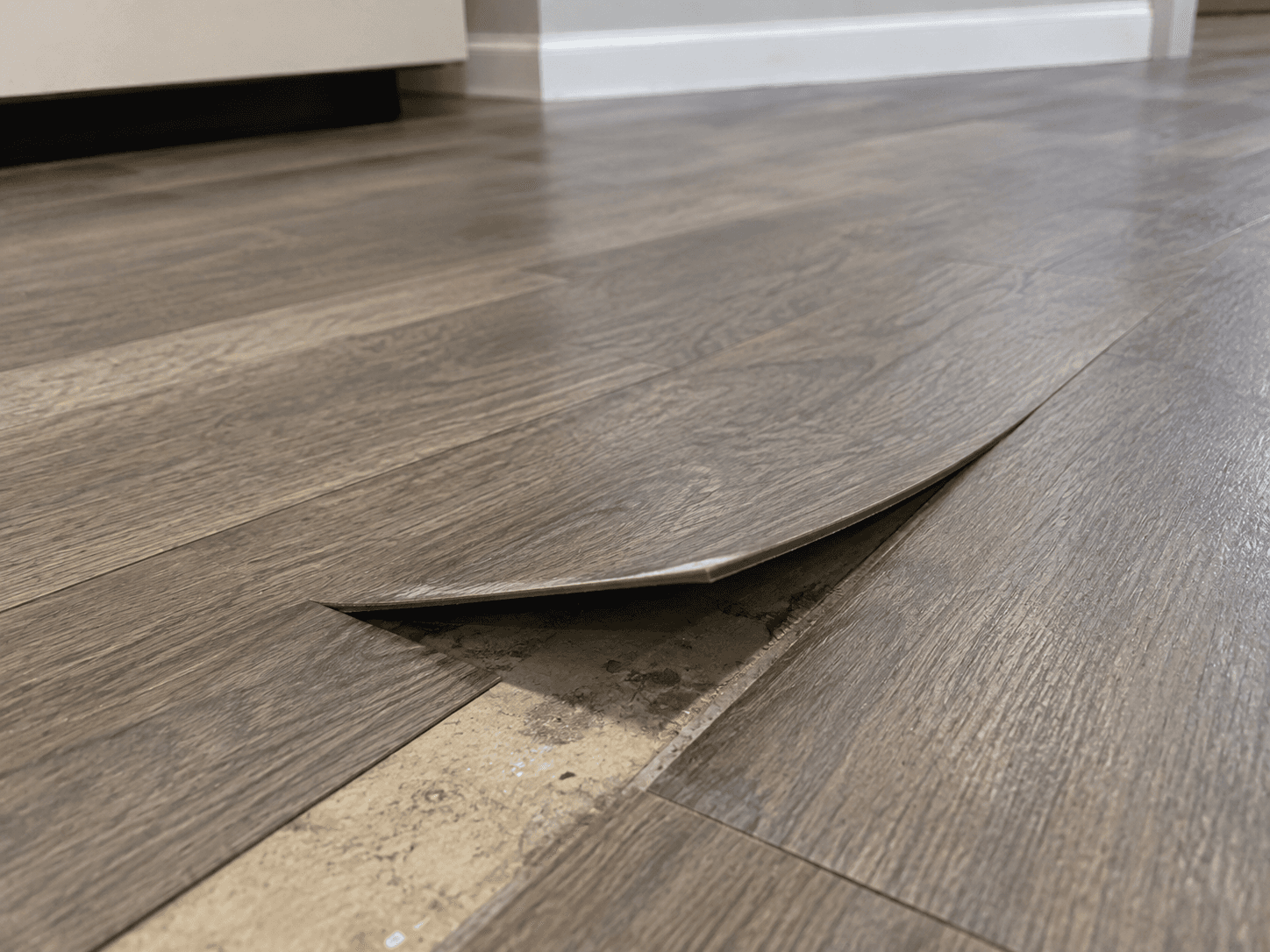
Why Is My Vinyl Flooring Lifting? Common Causes and Fixes
Learn why vinyl flooring lifts and how to fix it. Common causes include moisture, poor adhesive, and temperature changes. Professional solutions inside.
Read more →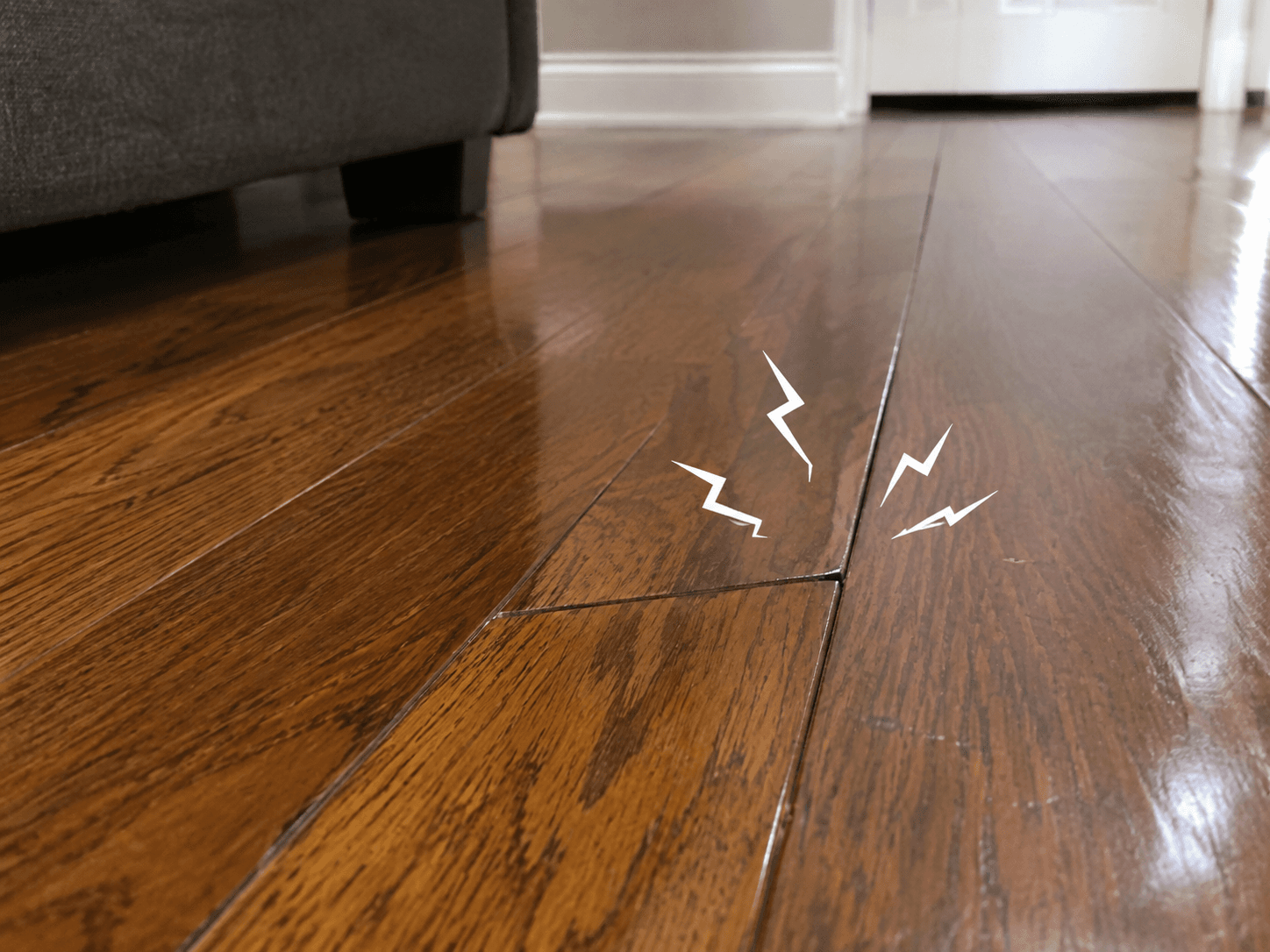
Why Is My Hardwood Floor Squeaking? Causes and Solutions
Learn why hardwood floors squeak and discover practical solutions to fix the problem in your Toronto or Ottawa home.
Read more →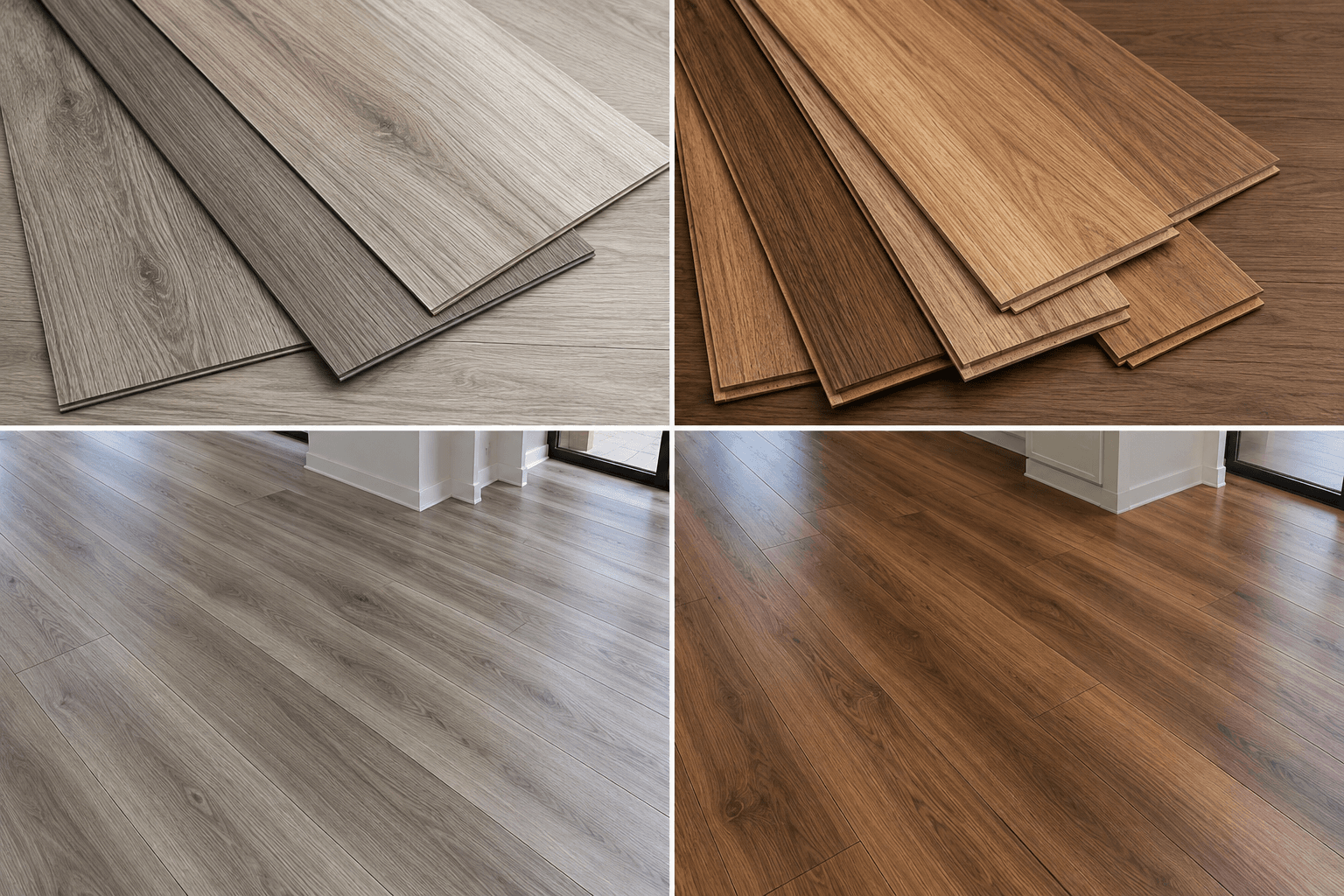
Vinyl vs Laminate: Complete Cost Guide and Use Cases for GTA Homeowners
Compare vinyl and laminate flooring costs, durability, and best uses for GTA and Ottawa homes.
Read more →