Surfaces Preparation
Concrete Leveling / Self-Leveling
Expert installation and craftsmanship, serving the GTA & Ottawa.
 Surfaces Preparation
Surfaces Preparation
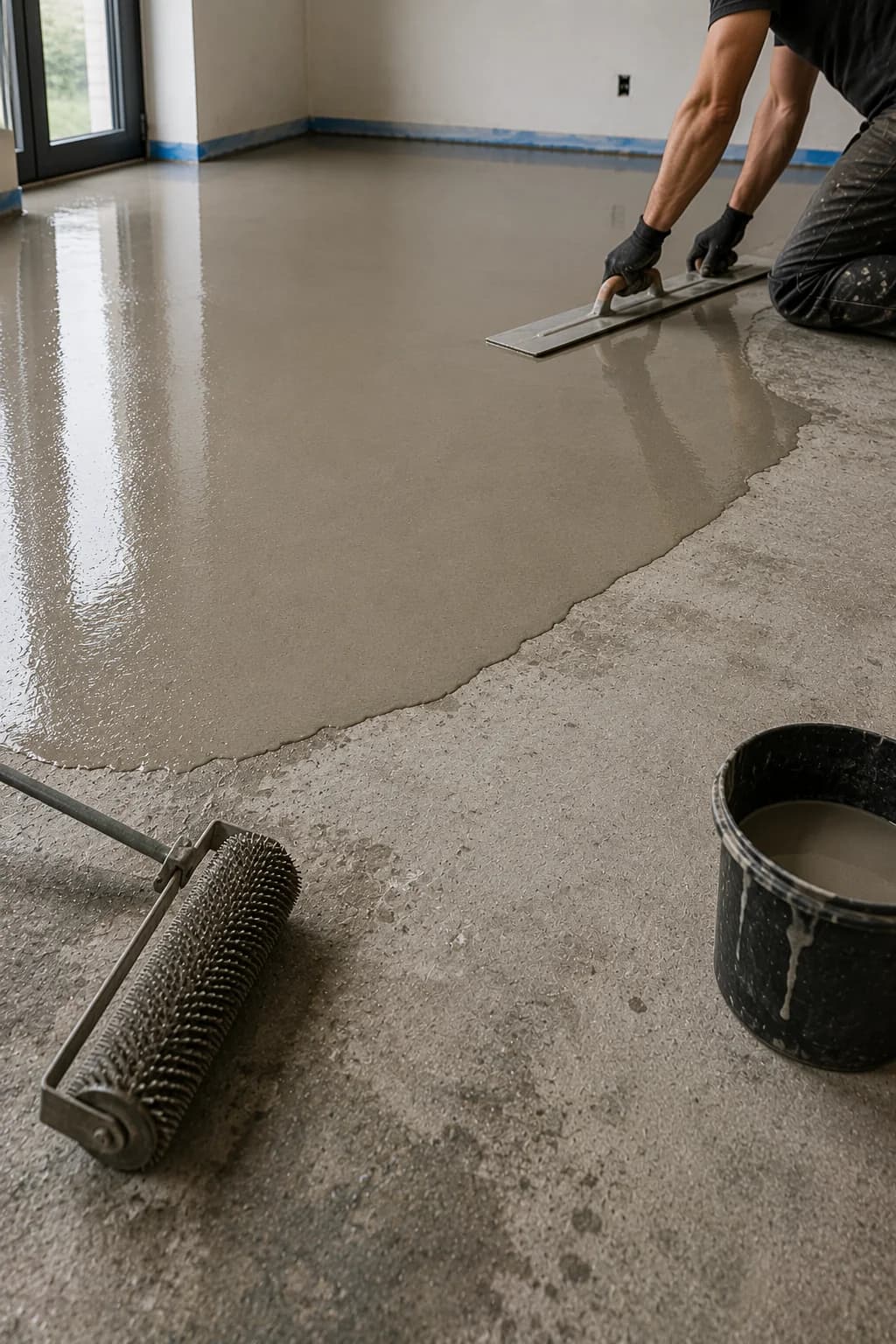
No flooring performs well over an uneven substrate. We use professional-grade self-leveling compounds to fill dips, correct slopes, and achieve a flat surface to within 3/16" over 10 feet, the standard required for most floor coverings.
The substrate is cleaned and primed with the appropriate bonding agent. Self-leveling compound is mixed to specification and poured, guiding it with a smoother tool. After cure, the surface is checked and any high points are ground down.
Where it works & how it’s applied.
Where to Use
- 01Concrete slabs before any flooring
- 02Wood subfloors before tile
- 03Renovation-over-renovation projects
- 04Any substrate failing flatness tolerance
Common Use Cases
- 01Pre-tile leveling
- 02Concrete slab correction before LVP
- 03Old wood subfloor prep for tile
- 04Commercial renovation substrates
Frequently Asked Questions
How much height does self-leveling compound add to the floor?
Self-leveling compound adds only as much as it needs to fill the low spots - typically 1/8" to 1/2" in most applications. Maximum pour depth depends on the product (usually 1" to 1.5" in a single pour). Deep corrections may require multiple pours with cure time between layers. We factor the added height into door clearances and transition planning.
How long does self-leveling compound need to cure before flooring is installed?
Most self-leveling compounds are ready for light foot traffic in 2-4 hours and ready for flooring installation in 16-24 hours. Tile and stone installs can sometimes begin the same day on fast-setting products. We follow manufacturer guidelines precisely because rushing this step leads to adhesion failure in the flooring above.
What is the maximum pour depth in a single application?
Most standard self-leveling compounds can be poured up to 1" to 1.5" in a single application. For deeper corrections, we prime, pour the first layer, allow it to cure, then pour again. Some high-build products allow deeper single pours. The right product depends on the correction depth - we select accordingly.
Can self-leveling compound be used on a wood subfloor?
Yes - but it requires a product specifically formulated for wood subfloors, along with a compatible primer to bond properly. The subfloor must be structurally sound and firmly fastened first - self-leveling compound will crack if the subfloor underneath has any flex or movement. We fasten all squeaky and loose areas before any leveling pour on wood.
Related Articles
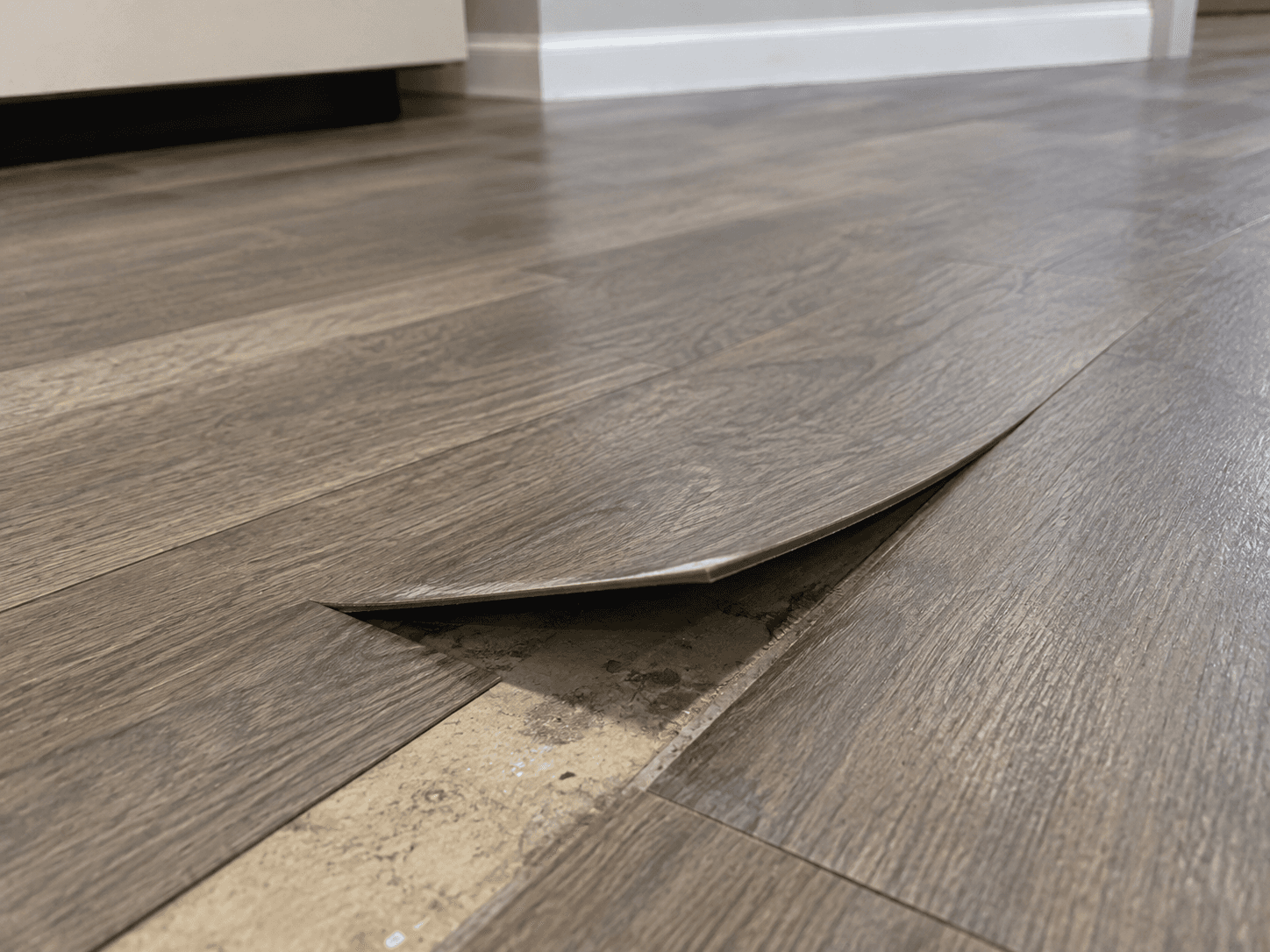
Why Is My Vinyl Flooring Lifting? Common Causes and Fixes
Learn why vinyl flooring lifts and how to fix it. Common causes include moisture, poor adhesive, and temperature changes. Professional solutions inside.
Read more →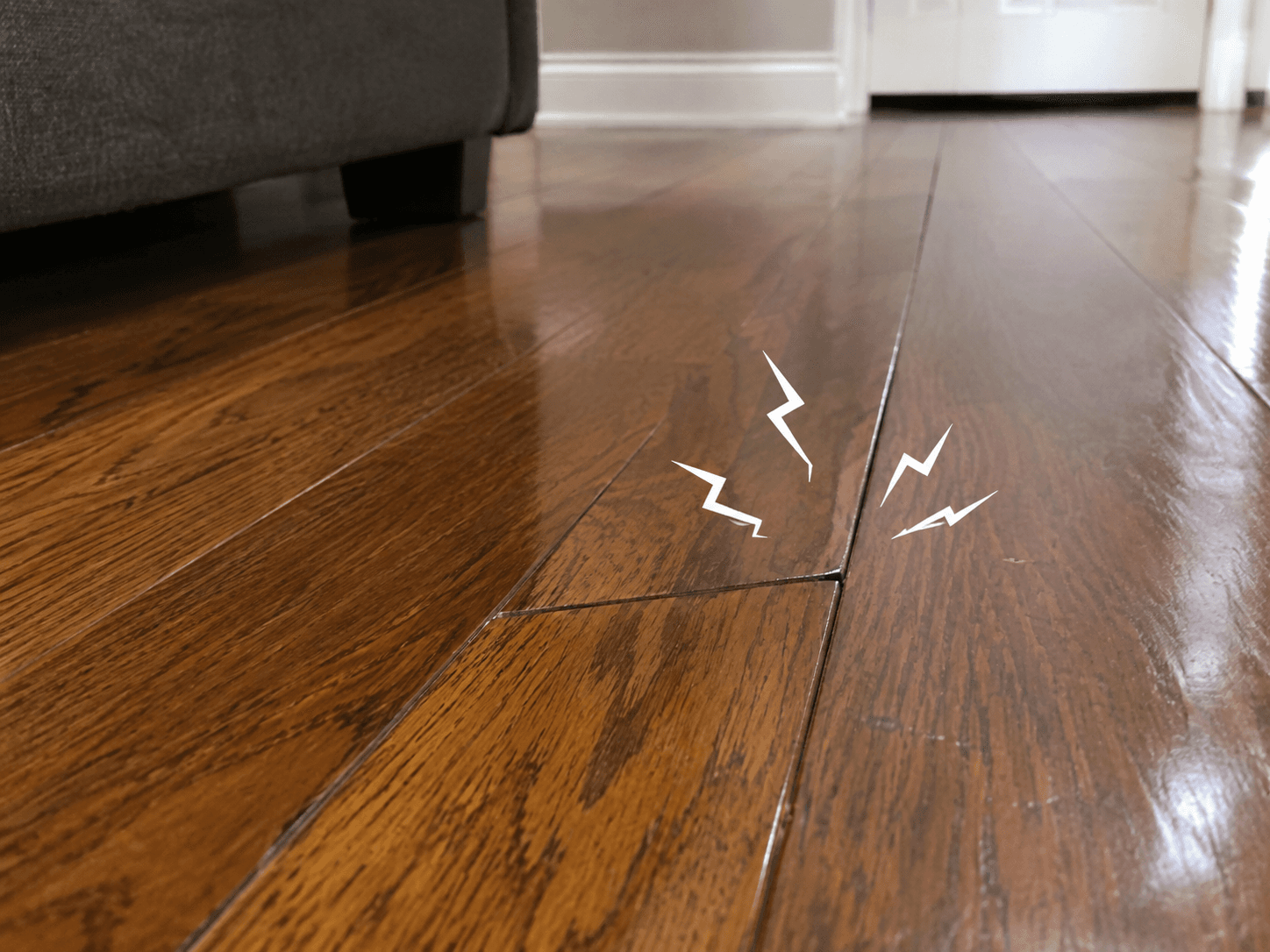
Why Is My Hardwood Floor Squeaking? Causes and Solutions
Learn why hardwood floors squeak and discover practical solutions to fix the problem in your Toronto or Ottawa home.
Read more →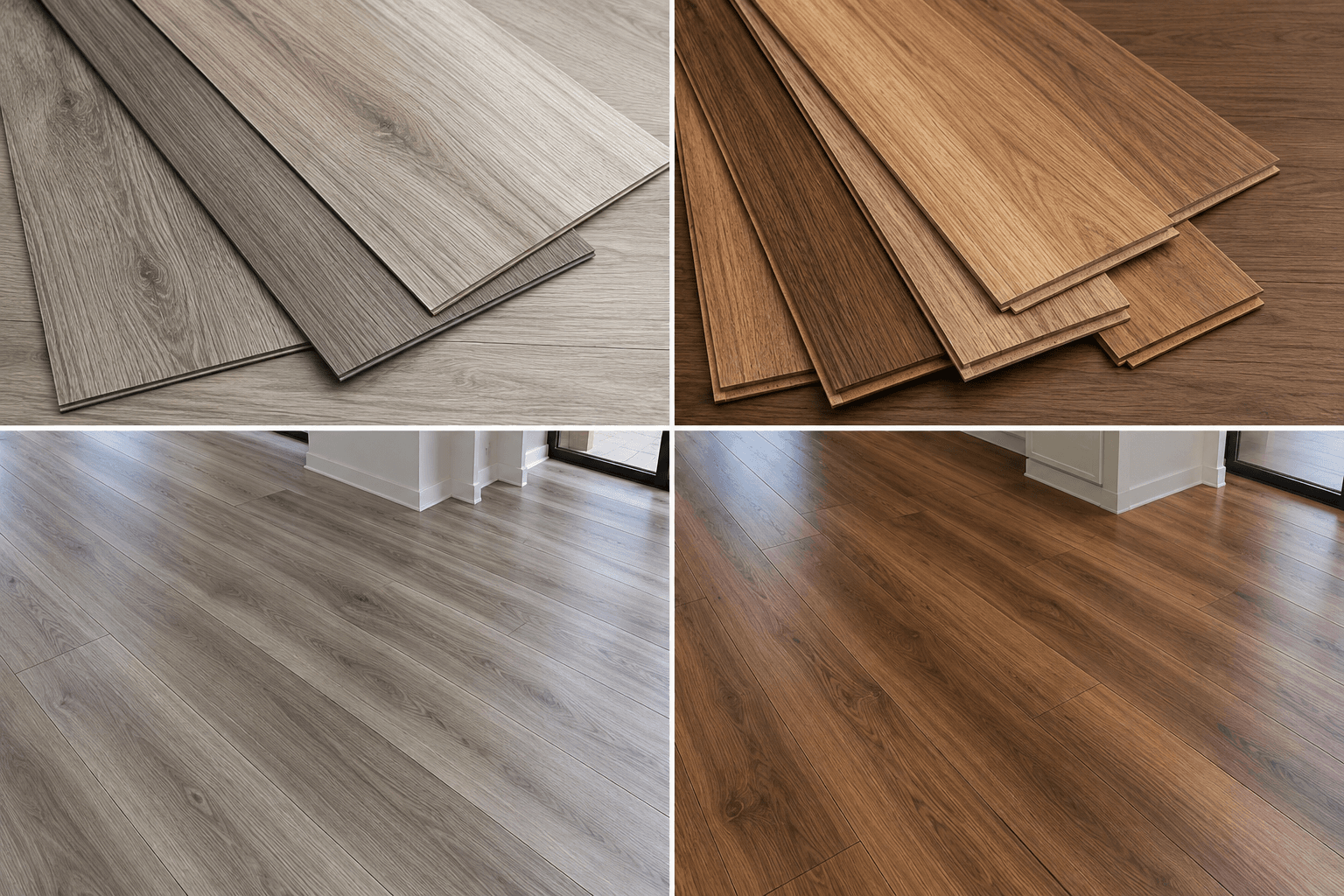
Vinyl vs Laminate: Complete Cost Guide and Use Cases for GTA Homeowners
Compare vinyl and laminate flooring costs, durability, and best uses for GTA and Ottawa homes.
Read more →